Contents:
- Freshness and Flower Quality
- Real Pricing: What You Actually Pay
- Customization and Personal Touch
- Convenience and Ordering Ease
- Reliability and Delivery Accuracy
- Flower Selection and Seasonal Availability
- Same-Day Delivery
- Long-Distance and Out-of-State Delivery
- Local Florist vs Online Delivery: Side-by-Side Comparison
- How to Choose Between a Local Florist and Online Delivery
- What’s your timeline?
- Does the arrangement actually matter?
- Are you sending out of state?
- What’s your actual budget?
- When Online Flower Delivery Is the Smarter Call
- When to Always Use a Local Florist
- FAQ: Local Florist vs Online Delivery
- Is it cheaper to use a local florist or order flowers online?
- Are online flowers as fresh as flowers from a local florist?
- Can I get same-day flower delivery from a local florist?
- What if I need to send flowers to someone in another state?
- Are local florists better for special occasions like funerals or weddings?
Most people assume online flower delivery is always cheaper. That’s the myth. The reality is more complicated — and getting it wrong can cost you both money and the impression you were hoping to make.
The local florist vs online delivery debate isn’t about which is objectively better. It’s about which is better for your specific situation. A $75 bouquet from a local shop can deliver more impact than a $120 order from a national brand with $25 in hidden fees tacked on at checkout. But a local florist can’t ship tulips to your sister in Denver by tomorrow morning. Both options have a place — you just need to know when to use each one.
This breakdown covers the eight factors that actually matter: freshness, pricing, customization, convenience, reliability, selection, same-day availability, and long-distance reach. Read all eight or skip to the comparison table. Either way, you’ll finish knowing exactly which option to choose.
1. Freshness and Flower Quality
Local florists get their flowers from regional wholesalers, typically 1–3 days after cutting. Many shops receive deliveries two to three times per week, which means a Tuesday purchase might include flowers that arrived Monday. That’s a short chain from farm to vase.
Online delivery is a different story. Major services like 1-800-Flowers and Teleflora often work through a network of local florists anyway — so quality varies by fulfillment partner. Direct-to-consumer brands like The Bouqs Co. and UrbanStems ship directly from farms in Colombia or Ecuador, which sounds fresh but means flowers spend 2–4 days in transit, often in temperature-controlled boxes.
The practical difference: flowers from a local shop typically last 7–10 days in a home vase. Farm-direct online orders can match that if handled correctly. Flowers fulfilled through aggregator networks are more of a gamble — sometimes gorgeous, sometimes wilted on arrival.
Winner: Local florist, for most situations. Farm-direct online brands are a credible alternative if you’re comfortable with the shipping format.
2. Real Pricing: What You Actually Pay
This is where the myth collapses. Online flower services advertise arrangements starting at $39.99, but the final checkout price frequently looks nothing like that.
A typical online order breakdown might look like this: $49.99 base price + $19.99 delivery fee + $4.99 “service fee” + $6.99 for a greeting card and ribbon = $81.96 before you’ve upgraded a single stem. Weekend and holiday surcharges can add another $10–$15.
A local florist, by contrast, quotes you an all-in price. A $65 arrangement costs $65, plus a delivery fee that usually runs $10–$18 within a local radius. There are no platform fees, no “handling charges,” and no surprise line items at checkout.
One useful benchmark: for a mid-range arrangement ($60–$90 total budget), a local florist almost always delivers more actual flowers for the money. The markup online goes to logistics and marketing, not stems.
Winner: Local florist on value. Online services win only if you catch a genuine promo code or subscribe to membership programs that waive delivery fees.
3. Customization and Personal Touch
Here’s a reader story worth sharing. A woman named Carla needed flowers for her mother’s 70th birthday. Her mom had grown up with peonies in her garden in rural Georgia and had mentioned them in passing maybe twice in a decade. Carla called her local florist, described the memory, and the florist built an arrangement around soft pink peonies, ranunculus, and dusty miller — textures and tones that genuinely reflected something personal. Cost: $80 delivered. Her mother cried.
An online order form doesn’t have that conversation. You choose a template, select a size, and add a note. Some services let you request “no lilies” or “pastel tones,” but you’re working within preset designs. The florist fulfilling the order may or may not honor vague customization requests.
Local florists also accommodate genuine last-minute pivots. Need to swap carnations for garden roses because you just remembered your recipient is allergic? Call before noon and it’s usually done. Try getting that flexibility from a national platform’s customer chat.
Winner: Local florist, by a significant margin for anything meaningful or personalized.
4. Convenience and Ordering Ease
This is where online services legitimately shine. Ordering at 11pm for a next-day delivery, shopping from a phone while waiting at the dentist, comparing 40 arrangements side by side — online platforms are built for that experience. No phone call, no hold music, no explaining what “blush tones” mean to someone who’s clearly handling four orders at once.
Many online services also integrate with calendars, send reminder emails before anniversaries, and store your delivery addresses. For repeat senders — someone who ships flowers to a parent every birthday, for instance — those features add real value over time.
Local florists are increasingly online themselves. Many have e-commerce websites, accept orders via text, and offer their own same-day delivery booking. But the selection is usually smaller online than what they can actually build in-store, and the UX rarely matches a polished national platform.
Winner: Online delivery, for pure ordering convenience. But don’t assume “convenient” means “better outcome.”
5. Reliability and Delivery Accuracy
Delivery reliability is one of the most common complaints in online flower reviews — and the problems are specific. Wrong flowers delivered. Arrangements arrive crushed. Delivery window missed by four hours. Substitutions made without notice (a standard industry practice disclosed in fine print).
The substitution policy is worth understanding. Online florists reserve the right to swap flowers of “equal or greater value” if the ordered variety isn’t available. In practice, this can mean your yellow sunflower arrangement arrives with orange gerbera daisies. Technically compliant. Visually different. Emotionally deflating.
Local florists aren’t immune to problems — but accountability is immediate. If something’s wrong, you call the shop directly and speak to the person who made the arrangement. Resolution is faster because the chain is shorter. According to consumer review data on Yelp and Google, local florists average higher satisfaction scores than national delivery brands in most mid-sized US cities.
Winner: Local florist on reliability and issue resolution. Online platforms vary widely — read recent reviews for any service before ordering for a high-stakes occasion.
6. Flower Selection and Seasonal Availability
Online platforms display huge catalogs — sometimes 150+ arrangements across every category. That variety is real, but it’s also somewhat illusory. What’s shown is what the fulfillment florist in your area can actually source. A “tropical arrangement” listed on a national site may arrive looking very different in January in Minneapolis than in April in Miami.
Local florists know their regional market. A good shop in the Pacific Northwest will tell you straight that dahlias are stunning in August–October and that ordering them in March means paying a premium for imported stems. They work with what’s in season and locally abundant, which almost always produces better-looking arrangements per dollar spent.
That said, online farm-direct services like The Bouqs and Bloomsybox have genuine access to out-of-season varieties because they source internationally at scale. If you specifically need garden roses in February or peonies in November, a direct-farm online service may actually outperform a local shop on selection.
Winner: Tie, depending on the season and what you need. Local florists win on realistic seasonal guidance; online farm-direct services win on year-round exotic availability.
7. Same-Day Delivery
Same-day delivery is one of the local florist’s clearest advantages — and most people underestimate how available it actually is. Most local shops accept same-day orders placed before 12pm or 1pm local time, with delivery completed by end of business. Some shops in larger cities will deliver within 2–3 hours for an additional fee.
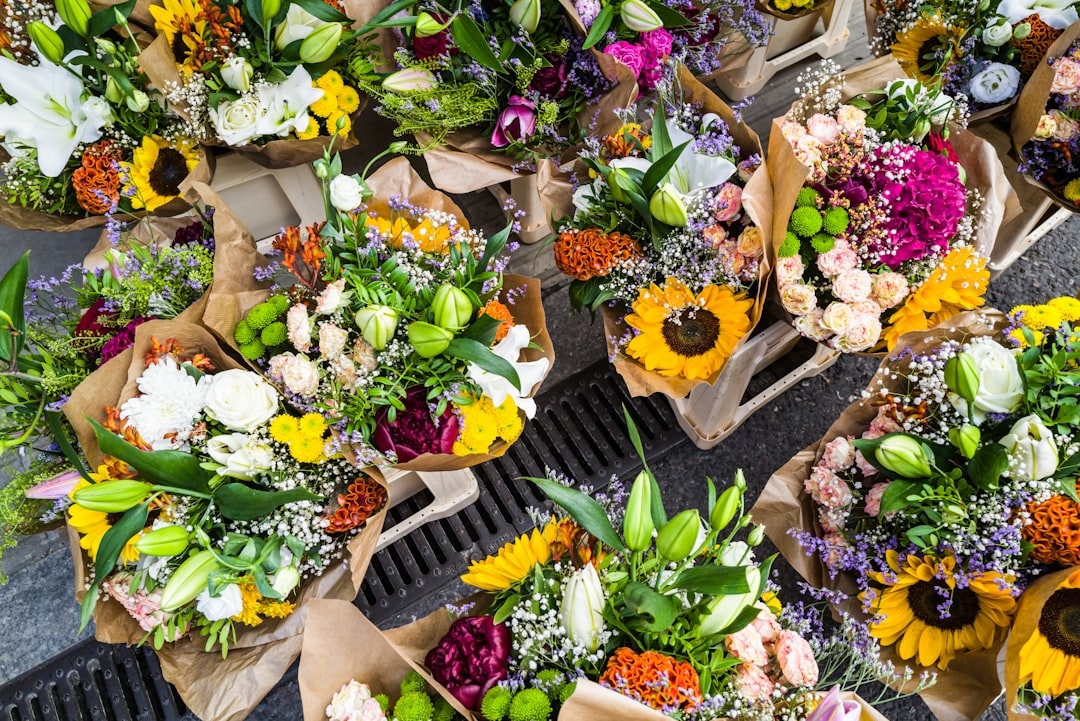
Online platforms advertise same-day delivery aggressively, but the cutoff times are tighter and the service radius matters. If you’re ordering in a smaller metro or suburban area, same-day through a national platform often means routing through a local florist anyway — at a higher markup than if you’d called that florist directly.
For genuine emergencies — forgot an anniversary, hospital visit, funeral flowers needed today — a local florist is faster, more reliable, and usually less expensive for same-day service.
Winner: Local florist, reliably, for same-day needs.
8. Long-Distance and Out-of-State Delivery
This is where online services are genuinely irreplaceable. If you need flowers delivered to someone in another city or state, you have two realistic options: use an online platform, or call a florist in that city directly.
National platforms handle the coordination automatically. You enter the recipient’s zip code, browse what’s available in that area, and pay once. It’s genuinely useful, especially for people who don’t know any florists in the recipient’s city.
The more cost-effective option, if you’re willing to spend five minutes, is to Google “[city] florist” and call directly. You’ll often pay less, get a more customized result, and speak directly to the person fulfilling the order. This approach works particularly well for major events: weddings, milestone birthdays, bereavement flowers.
Winner: Online delivery, for pure logistical ease. Calling a local florist in the destination city is a strong alternative that usually delivers better value.
Local Florist vs Online Delivery: Side-by-Side Comparison
| Factor | Local Florist | Online Delivery | Winner |
|---|---|---|---|
| Freshness | 1–3 days post-cut | 2–5 days (varies by model) | 🌿 Local |
| True Cost | Transparent, all-in pricing | Fees stack up at checkout | 🌿 Local |
| Customization | Full creative control | Template-based, limited | 🌿 Local |
| Ordering Ease | Phone/in-store, some web | 24/7, mobile-friendly | 🌐 Online |
| Reliability | High, direct accountability | Variable, substitutions common | 🌿 Local |
| Selection | Seasonal, regional | Year-round, international | 🤝 Tie |
| Same-Day Delivery | Widely available, reliable | Available but inconsistent | 🌿 Local |
| Long-Distance | Requires research/calls | Seamless, handled for you | 🌐 Online |
How to Choose Between a Local Florist and Online Delivery
The decision comes down to four questions. Answer them honestly and the right choice becomes obvious.
What’s your timeline?
If you need flowers today or tomorrow within your own city, call a local florist. Order before noon for same-day. Online platforms can technically do same-day too, but a local shop will do it more reliably and usually for less money once you factor in platform fees.
Does the arrangement actually matter?
For a sympathy arrangement, a milestone anniversary, a wedding, or anything emotionally significant — go local. These are not situations for template-based ordering and crossed fingers on substitution policies. A $90 custom arrangement from a florist you spoke to directly will almost always land better than a $90 order from a platform that routes to whoever’s available.
Are you sending out of state?
Use an online service or call a florist in the recipient’s city directly. If you go online, choose a platform that uses farm-direct shipping (The Bouqs, UrbanStems) rather than an aggregator network, and read the reviews specifically for delivery in that zip code.
What’s your actual budget?
If you have $50 to spend all-in, a local florist will stretch that further in actual flowers. Online, $50 often nets you a $35 arrangement after fees. Under $40 total and you need delivery? Online subscriptions with free shipping (Bloomsybox, for example) or grocery store florists become the most realistic value option.
When Online Flower Delivery Is the Smarter Call
- Sending flowers to another state or country — the logistics alone justify the platform fee.
- Late-night ordering for next-day delivery when no local shops are reachable.
- Subscription gifting — monthly flower subscriptions from farm-direct brands often run $35–$55/month with free shipping and genuinely fresh product.
- Low-stakes, casual gifts — a “thinking of you” bouquet for a coworker doesn’t need a custom consultation.
- When a local florist isn’t available — rural areas with limited local options are where online services genuinely fill a gap.
When to Always Use a Local Florist
- Funerals and sympathy flowers — timing, size, and sensitivity matter. Local florists handle these regularly and understand the requirements.
- Wedding flowers — never order wedding florals from an online platform. Period. The customization and coordination required demand a direct relationship with a professional.
- Same-day emergencies — local wins every time on speed and reliability.
- Specific flower requests — if you need a particular variety, color palette, or style, the only way to guarantee it is to speak to the florist directly.
- Budget over $75 — at this price point, a local florist almost always provides more value per dollar than a national online platform.
FAQ: Local Florist vs Online Delivery
Is it cheaper to use a local florist or order flowers online?
For most mid-range budgets ($60–$100), a local florist delivers more flowers for the money. Online services advertise low base prices but add delivery fees, service fees, and handling charges that typically add $20–$35 to the final total. A local florist’s quote is usually the all-in price.
Are online flowers as fresh as flowers from a local florist?
It depends on the online model. Farm-direct services (The Bouqs, UrbanStems) ship within 1–2 days of cutting and can be comparably fresh. Aggregator networks (1-800-Flowers, FTD) route orders to local florists whose quality varies by location. Local florist flowers typically arrive at the shop 1–3 days post-cut, making them reliably fresh for most orders.
Can I get same-day flower delivery from a local florist?
Yes — most local florists offer same-day delivery for orders placed before 12pm or 1pm local time. Many charge a small premium for rush same-day orders, typically $5–$15 above the standard delivery fee. In larger cities, 2–3 hour delivery windows are often available.
What if I need to send flowers to someone in another state?
Two options: use an established online delivery platform, or find a florist in the recipient’s city and call them directly. The second option often produces better results and lower costs, but requires a few minutes of research. For purely hands-off convenience, online platforms handle everything automatically.
Are local florists better for special occasions like funerals or weddings?
For funerals, weddings, and other significant occasions, a local florist is strongly recommended. These events require accurate timing, customization, and direct communication that online platforms cannot reliably provide. Online flower services are better suited to casual gifting and long-distance orders than high-stakes events.
Next step: Search “[your city] florist” on Google Maps, filter by reviews over 4.2 stars, and call one shop before your next occasion. Ask what’s in season and what they’d recommend for your budget. That single five-minute conversation will tell you more than any website — and it might save you $30 while getting you something genuinely beautiful.