Contents:
- How Each Model Actually Works
- Amazon Flowers: The E-Commerce Approach
- Traditional Florists: The Craft-Based Approach
- Amazon Flowers vs Florist: 8 Key Factors Compared
- Seasonal Buying Calendar: When to Use Amazon vs a Florist
- Side-by-Side Comparison Table
- Common Mistakes to Avoid
- How to Choose: A Decision Framework
- Choose Amazon Flowers If You:
- Choose a Traditional Florist If You:
- The Hybrid Approach Worth Considering
- Frequently Asked Questions
- Are Amazon flowers as fresh as florist flowers?
- Is it cheaper to buy flowers from Amazon or a florist?
- Can you get same-day flower delivery from Amazon?
- What flowers ship best from Amazon?
- How far in advance should I order Amazon flowers for an event?
Long before online shopping existed, flowers moved through an intricate web of growers, wholesalers, and neighborhood florists — a supply chain that hadn’t changed much since Victorian England turned floral gifting into a cultural institution. Today, that chain has a new competitor: Amazon. The debate over amazon flowers vs florist is no longer just about price. It’s about freshness windows, stem counts, creative control, and whether a same-day local arrangement can outlast a box shipped from a Florida greenhouse. This guide breaks it all down so you can spend your money with confidence.
How Each Model Actually Works
Amazon Flowers: The E-Commerce Approach
Amazon sources most of its fresh flowers from third-party vendors, many of whom ship directly from farms in Ecuador, Colombia, or domestic growing regions in California and Florida. When you place an order, you’re typically buying from a marketplace seller — not Amazon itself. The flowers travel refrigerated, usually arriving in bud form so they can open in your home. Transit time is commonly 1–2 days with Prime, but the flowers may have already spent 2–3 days in transit before that clock even starts.
Traditional Florists: The Craft-Based Approach
Local florists purchase cut flowers from regional wholesalers, who source from the same South American farms Amazon vendors use — but the handling chain is shorter and more controlled. A skilled florist conditions the stems (re-cutting at an angle, treating with floral preservative solution), stores them at 34–38°F, and assembles arrangements to order. You’re paying for trained hands, not just petals. Many independent florists have 10–30 years of hands-on experience with seasonal sourcing and flower behavior.
Amazon Flowers vs Florist: 8 Key Factors Compared
-
1. Price and Overall Value
Amazon flower bundles typically range from $15 to $60 for bulk stems — a 50-stem bunch of alstroemeria might run $28 shipped. Local florists charge more per stem but include design labor, conditioning, and a vessel. A comparable arranged bouquet at a florist runs $45–$120. For DIY enthusiasts arranging their own centerpieces, Amazon’s bulk pricing is genuinely hard to beat. Buying 100 stems of mixed spray roses for a wedding table from Amazon can cost 40–60% less than ordering pre-arranged pieces from a florist. However, factor in any flowers that arrive damaged — a 10–15% loss rate on shipped flowers is common, effectively raising your per-stem cost.
-
2. Freshness and Vase Life
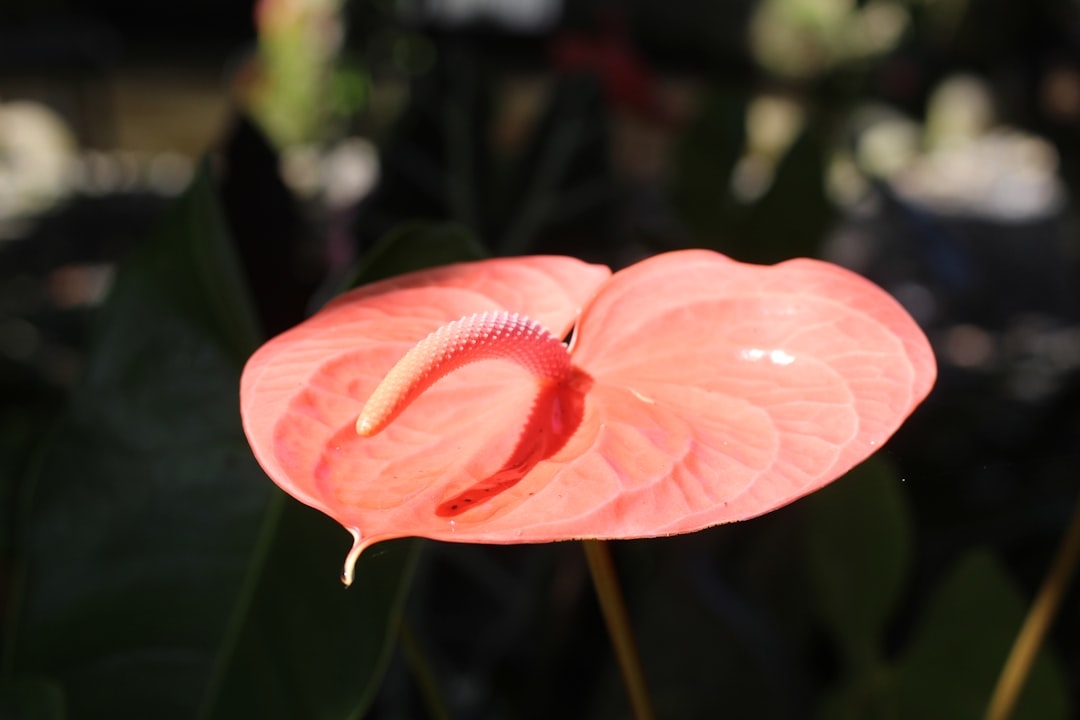
This is where the comparison gets granular. A florist-conditioned rose, properly stored and sold within 3 days of receipt, typically has a 7–10 day vase life. An Amazon rose that ships direct from a farm arrives in tight bud — promising, but those buds have already endured temperature stress during transit. Realistic vase life after proper home conditioning drops to 5–7 days. Tropical flowers like anthuriums and birds of paradise actually travel well and lose minimal vase life in transit. Delicate blooms like sweet peas, lily of the valley, and ranunculus suffer the most. Always check seller reviews specifically mentioning freshness, not just overall star ratings.
-
3. Variety and Seasonal Availability
Amazon’s marketplace offers access to unusual varieties that most local florists don’t stock — things like Ecuadorian garden roses (larger and more fragrant than standard hybrid teas), dried pampas grass, and preserved eucalyptus in bulk. Local florists are constrained by what their regional wholesaler carries that week. That said, a skilled florist with good supplier relationships can often source specialty blooms with 3–5 days’ notice. For truly rare finds — black dahlias, rainbow tulips, or specific peony varieties — Amazon’s marketplace often wins on access, though quality varies significantly by seller.
-
4. Customization and Design Control
A traditional florist excels here without contest. You can describe a color palette, a vibe (“English cottage garden meets modern minimalism”), or even bring in a Pinterest board, and a skilled designer will interpret it. For DIY arrangers, Amazon actually offers a different kind of control — you choose every stem, every color, every variety. There’s no middleman interpreting your vision. This suits hands-on enthusiasts who know flower names and want to experiment. If you’re new to arranging and need guidance, though, a florist’s design consultation (often free) is genuinely valuable and can prevent costly missteps.
-
5. Delivery Speed and Reliability
Amazon Prime can deliver flowers as fast as same-day or next-day in major metro areas. But flower delivery reliability on Amazon depends entirely on the third-party seller’s warehouse location and fulfillment speed — not Amazon’s own logistics. Local florists offer true same-day delivery for orders placed before noon in most cases, with the advantage that the flowers are assembled and delivered locally, typically within a 10–15 mile radius. For last-minute gifts (think: forgetting an anniversary), a florist with same-day service is significantly more reliable than hoping an Amazon seller fulfills before the cutoff.
-
6. Sustainability and Sourcing Transparency
The floral industry’s carbon footprint is real — most cut flowers sold in the US are imported. Roughly 80% of cut flowers sold in America come from Colombia and Ecuador. Both Amazon sellers and florists source from these regions. The difference is traceability: some independent florists partner with Rainforest Alliance–certified or Veriflora-certified farms and can tell you exactly where your flowers grew. Amazon listings rarely disclose farm origin or certification status. If sustainable sourcing matters to your purchasing decision, a florist with a stated sourcing policy is the clearer choice.
-
7. Experience and Emotional Value
There’s a tactile, human element to walking into a flower shop — the cold air carrying the scent of eucalyptus and stargazer lilies, a designer who remembers you ordered sunflowers for your mother’s birthday last year. For gifts that carry emotional weight (sympathy arrangements, wedding flowers, milestone celebrations), this relationship has real value. Amazon delivers a box. A florist delivers an experience wrapped in craft paper. For DIY enthusiasts sourcing flowers for their own projects, this emotional dimension matters less — you’re the artist, and you want raw materials, not someone else’s interpretation.
-
8. Return Policy and Recourse
Amazon’s A-to-Z Guarantee protects buyers who receive damaged or dead flowers — you can typically get a refund or replacement within 30 days of delivery, processed through the seller or Amazon directly. Local florists handle complaints case by case, and most reputable shops will replace a wilted arrangement within 24–48 hours of delivery, no questions asked. The key difference: Amazon’s process is digital and documented; a florist’s resolution depends on your relationship with the shop and their policies. For high-stakes orders, knowing exactly what recourse you have before you order is essential.
🌿 What the Pros Know
Professional floral designers who order online for large events always buy 20–25% more stems than needed to account for transit damage, stems that won’t open properly, or color variation between the product photo and actual delivery. They also condition shipped flowers for a full 24 hours in clean water at room temperature — not a vase, just a bucket — before arranging. This rehydration window dramatically improves vase life and flexibility of the stems.
Seasonal Buying Calendar: When to Use Amazon vs a Florist
Timing your flower purchases around growing seasons dramatically affects both cost and quality, whether you’re ordering online or locally.
- January – March: Tulips, hyacinths, and ranunculus peak in Dutch greenhouse production. Amazon sellers often have abundant supply at lower prices. Florists may charge premium for peonies, which are still out of season domestically.
- April – May: Peak peony and lilac season in the US (USDA Zones 5–7). Local florists with domestic supplier relationships shine here — freshness from regional farms is unbeatable. Amazon peonies in spring can be excellent from Ecuadorian farms, but vase life is shorter than locally sourced.
- June – August: Sunflowers, zinnias, and dahlias dominate. Local farmers’ market florists and small-batch shops often source from regional US farms during this window — a significant freshness advantage over shipped product. For DIY bulk orders of sunflowers, Amazon remains cost-competitive.
- September – October: Dahlia season peaks. Chrysanthemums become abundant and affordable. Amazon’s bulk mum bunches offer excellent value for fall tablescapes and DIY wreaths.
- November – December: Holiday demand inflates prices everywhere. Amaryllis, paperwhites, and poinsettias are widely available. Amazon can have supply chain delays during peak holiday shipping weeks — order at least 7–10 days before your event, not 2–3.
Side-by-Side Comparison Table
| Factor | Amazon Flowers | Traditional Florist |
|---|---|---|
| Price Range | $15–$60 bulk stems | $45–$120+ arranged |
| Vase Life | 5–7 days (typical) | 7–10 days (conditioned) |
| Same-Day Delivery | Available in some metros | Reliable locally |
| Custom Design | DIY only | Full service available |
| Variety Access | Excellent (marketplace) | Good (wholesaler dependent) |
| Sourcing Transparency | Low | Medium to High |
| Best For | DIY, bulk events, variety | Gifts, weddings, occasions |
| Damage Recourse | A-to-Z Guarantee (30 days) | Shop policy (24–48 hrs) |
Common Mistakes to Avoid
- Ordering Amazon flowers 1–2 days before your event. Shipped flowers need at least 24 hours of conditioning after arrival. Order 4–5 days out minimum for mid-complexity events, and 7+ days for weddings.
- Ignoring the seller’s review recency. A seller with 4.5 stars but reviews from 18 months ago may have changed farms or fulfillment centers. Filter for reviews from the last 90 days.
- Assuming a florist will match Amazon’s stem count at the same price. They won’t, and asking often starts the relationship on a transactional foot. Use florists for design value; use Amazon for raw volume.
- Skipping the water conditioning step on shipped flowers. Even 4 hours in clean, room-temperature water before arranging can add 2 full days to vase life.
- Choosing a florist based on storefront aesthetics alone. Ask specifically about where they source and whether they condition stems in-house. A beautiful shop with poor refrigeration and old stock is a worse choice than a modest shop with excellent wholesale relationships.
How to Choose: A Decision Framework
Choose Amazon Flowers If You:
- Are a DIY arranger who selects individual stem types and varieties by name
- Need bulk quantities (50+ stems) for events, workshops, or photography
- Have 4–7 days of lead time before your event
- Want access to specialty or imported varieties not stocked locally
- Are budget-conscious and comfortable managing a small percentage of loss
Choose a Traditional Florist If You:
- Need same-day delivery for a gift or last-minute occasion
- Want a professionally designed arrangement without doing the work yourself
- Are ordering for a high-stakes event — sympathy, wedding ceremony, milestone birthday
- Value sourcing transparency and want to know your flowers were certified sustainable
- Prefer a human relationship and local business support
The Hybrid Approach Worth Considering
Many experienced DIY florists use both channels strategically. They order filler and greenery (eucalyptus, ferns, solidago) in bulk from Amazon — where these items ship exceptionally well — and source focal flowers like garden roses or peonies from a trusted local florist who knows their quality standards. This split approach can reduce event flower costs by 30–40% while maintaining professional-quality focal points.
Frequently Asked Questions
Are Amazon flowers as fresh as florist flowers?
Not always. Florist-conditioned flowers that have been properly stored typically last 7–10 days in a vase. Amazon flowers, which ship directly from farms or warehouses, often have a 5–7 day vase life after arrival. Hardy varieties like alstroemeria and carnations travel well; delicate blooms like sweet peas and ranunculus suffer more in transit.
Is it cheaper to buy flowers from Amazon or a florist?
Amazon is cheaper for bulk stems — often 40–60% less per stem than a florist for comparable varieties. Florists charge more because their price includes conditioning, design labor, and a container. For DIY arrangers buying in volume, Amazon offers clear savings. For one-off gifts or designed arrangements, florists offer better value per arrangement.
Can you get same-day flower delivery from Amazon?
In select metro areas, yes — Amazon offers same-day flower delivery through Prime. However, availability depends on the third-party seller’s location and inventory, making it less reliable than a local florist who can guarantee same-day delivery for orders placed before noon.
What flowers ship best from Amazon?
Hardy, long-stemmed varieties with thick petals handle shipping best. Top performers include alstroemeria, carnations, chrysanthemums, sunflowers, tropical anthuriums, and dried/preserved stems like pampas grass and eucalyptus. Avoid ordering delicate, thin-petaled flowers like anemones, sweet peas, or open garden roses through Amazon — transit stress significantly shortens their vase life.
How far in advance should I order Amazon flowers for an event?
Order at least 4–5 days before your event for casual gatherings, and 7–10 days out for weddings or large-scale events. This buffer accounts for 1–2 days of shipping, a 24-hour rehydration conditioning period, and a safety margin if a replacement order is needed due to damage or seller delays.