Contents:
- Why Flower Preservation Matters More Than Most Brides Expect
- The 8 Best Flower Preservation Kits Compared
- Floral Preserve Pro Silica Gel Kit
- Mod Podge Resin Casting Bouquet Kit
- Preserve It! Freeze-Dry Preparation Kit
- Nature’s Pressed Flower Press and Frame Kit
- EcoGel Botanical Glycerin Preservation Set
- Arteza Resin Art Flower Preservation Starter Kit
- Silica Sorb Professional Grade Bulk Kit
- Pressed Blooms Complete Wedding Preservation Bundle
- Quick Comparison: Best Flower Preservation Kits at a Glance
- How to Choose the Best Flower Preservation Kit for Your Bouquet
- Consider Your Flower Types First
- Decide on Your End Display
- Timeline: How Soon Can You Start?
- Budget and Reusability
- Eco-Friendly Considerations
- Common Mistakes to Avoid With Flower Preservation Kits
- Waiting Too Long
- Using Too Little Silica Gel
- Casting Undried Flowers in Resin
- Skipping UV Protection
- Ignoring Humidity in Storage
- Frequently Asked Questions About Flower Preservation Kits
- What is the best flower preservation kit for beginners?
- How long do preserved wedding flowers last?
- Can I preserve a whole wedding bouquet at home?
- Do flower preservation kits work on all flower types?
- Is it cheaper to preserve flowers at home or use a professional service?
- Your Next Step Before the Big Day
The scent of fresh roses still clings to the ribbon. The petals are soft, the stems still green, and somewhere in the back of your mind you already know — this bouquet will not last the week. Choosing the best flower preservation kit before your wedding day means the difference between a memory that fades and one you can hold in your hands twenty years from now. This guide cuts through the noise so you can pick the right kit, at the right price, with confidence.
Why Flower Preservation Matters More Than Most Brides Expect
Fresh-cut flowers begin losing moisture within hours of being separated from their water source. Without intervention, most wedding bouquets are visibly wilting within 72 hours. Professional florists estimate that dried and preserved florals, when properly stored, can retain their shape and color for anywhere from 5 to 25 years depending on the method used.
There are four main preservation approaches available to consumers: silica gel drying, freeze-drying (typically outsourced to a lab), resin casting, and glycerin-based preservation. Each method produces a different look, requires different tools, and suits different flowers. The kits reviewed below span all of these categories.
One reader, Sarah from Columbus, Ohio, shared her experience after her 2026 wedding: “I waited two weeks before doing anything with my bouquet because I didn’t know what kit to buy. By the time I started, the outer petals on my garden roses had already browned at the edges. I wish someone had just told me to buy the silica kit before the wedding and have it ready to go the moment I got home.” Her story is not unusual — timing is everything, and preparation starts before the big day.
The 8 Best Flower Preservation Kits Compared
1. Floral Preserve Pro Silica Gel Kit
Best for: Most wedding flowers, including roses, peonies, and dahlias
This is the workhorse of the at-home preservation world. The Floral Preserve Pro kit includes 5 lbs of fine-grade silica gel crystals, a 3-gallon airtight container, a digital hygrometer, floral wire, and an instruction booklet with drying time charts for 30 common flower varieties. Roses typically dry in 5–7 days; more moisture-heavy blooms like peonies take up to 14 days. Color retention is genuinely impressive — expect around 80–90% color fidelity compared to fresh flowers. At approximately $34.99, the silica is reusable after oven-drying at 250°F for 30 minutes, making this one of the most cost-effective long-term options. The main limitation is that silica gel drying produces fragile results — finished flowers are beautiful but require careful handling.
2. Mod Podge Resin Casting Bouquet Kit
Best for: Single statement flowers or small clusters
Resin preservation encases your flowers in a clear epoxy block or dome, producing a permanent display piece that requires zero ongoing care. This kit from Mod Podge includes two-part epoxy resin (32 oz total), three silicone molds in different shapes, mixing cups, gloves, and UV-resistant additive drops to slow yellowing. One critical note: flowers must be fully dried before casting — resin traps moisture and will cause blooms to rot from within if introduced wet. The kit works beautifully for a single rose or a few pressed blooms. Priced at around $42.00, the UV-resistant formula is a meaningful differentiator, as cheaper resins can yellow significantly within 2–3 years. This is not a same-day project; full curing takes 24–72 hours depending on mold depth.
3. Preserve It! Freeze-Dry Preparation Kit
Best for: Brides sending flowers to a professional freeze-drying lab
True freeze-drying requires industrial equipment that costs tens of thousands of dollars — no consumer kit replicates that process. What this kit provides is everything you need to properly prepare and ship your bouquet to a professional freeze-drying service (lab fees are separate, typically $150–$400 depending on bouquet size). Included: a rigid shipping box with foam inserts, silica packets to control humidity during transit, pH-neutral tissue paper, and detailed instructions for deconstructing and packing your arrangement. The flowers arrive at the lab in optimal condition, which directly impacts final results. Freeze-dried flowers retain 3D shape with exceptional detail and can last 25+ years. At $28.00, this kit pays for itself by preventing the costly mistake of improperly shipping delicate flowers.
4. Nature’s Pressed Flower Press and Frame Kit
Best for: Flat floral art, botanical prints, and framed keepsakes
Pressing is the oldest preservation method and still one of the most reliable for certain flower types. This kit includes a hardwood flower press (9″ x 12″) with wing nuts and absorbent blotting paper, plus a 11″ x 14″ floating frame with archival-quality glass. Flat-faced flowers — think anemones, single-petal ranunculus, pansies, and Queen Anne’s lace — press beautifully. Roses and peonies can be pressed but require careful petal-by-petal disassembly. Pressing takes 2–4 weeks for complete drying. The archival glass is a smart inclusion; standard glass allows UV penetration that causes fading within 2–5 years. Retail price is approximately $39.95. The resulting artwork is frameable, giftable, and highly personal — a popular choice for incorporating bouquet flowers into home décor.
5. EcoGel Botanical Glycerin Preservation Set
Best for: Foliage-heavy bouquets and greenery
Glycerin preservation works by replacing the water content inside plant cells with glycerin solution, producing soft, pliable, leather-like results. This method is particularly effective for foliage — eucalyptus, ferns, olive branches, and magnolia leaves emerge from the glycerin bath supple and long-lasting. The EcoGel set includes 16 oz of food-grade vegetable glycerin, mixing instructions, a glass dipping vessel, and a drying rack. The vegetable-based glycerin is biodegradable, making this the most eco-friendly preservation option in this roundup — no synthetic resins, no silica that ends up in landfill, and the solution itself can be composted after use. Priced at $26.50, it’s the most affordable option here, though results on thick-petaled flowers like roses are inconsistent. Best used in combination with another method for mixed bouquets.
6. Arteza Resin Art Flower Preservation Starter Kit
Best for: Creative DIYers who want custom display options
Arteza’s kit expands on the basic resin concept by including a broader range of molds: a domed paperweight, a rectangular tray, a circular coaster mold, and a jewelry-sized pendant mold. This makes it suitable for brides who want to distribute keepsakes — a coaster for the mother of the bride, a pendant for the maid of honor. The resin is a 1:1 mix ratio (easier for beginners than 2:1 formulas) and includes pigment drops for tinting the background color. Total resin volume is 20 oz, which is sufficient for 4–6 smaller projects. At approximately $38.50, the value comes from the variety of mold options. Color accuracy is good but not quite as UV-stable as the Mod Podge formula — budget for a UV-protective topcoat spray (around $8–10 extra) if long-term clarity matters to you.
7. Silica Sorb Professional Grade Bulk Kit
Best for: Large bouquets or multiple flower preservation projects
Everything about this kit is scaled up. The Silica Sorb Professional Grade set includes 10 lbs of fine silica gel, a 6-gallon storage tote with locking lid, moisture indicator cards, a floral support foam block for positioning stems, and detailed guides for complex arrangements. Ten pounds of silica is enough to fully submerge an average bridal bouquet twice over, which matters — underfilling is the most common beginner mistake and results in uneven drying and collapsed petals. This is the kit for brides with large, lush arrangements or for those planning to preserve multiple pieces (a bouquet and a boutonniere, for example). At $54.99, it costs more upfront, but the bulk silica quantity makes repeat use highly economical. Indicator cards change color from blue to pink when the silica is saturated and needs recharging.
8. Pressed Blooms Complete Wedding Preservation Bundle
Best for: Brides who want everything in one purchase
This bundle is the only kit on this list designed specifically for weddings, and it shows. Pressed Blooms includes silica gel (3 lbs), a flower press, two shadow box frames, ribbon ties, archival tissue, a step-by-step video course access code, and a preservation timeline checklist that starts the morning of the wedding. The checklist detail alone sets this apart — it tells you exactly when to separate flowers, which blooms to prioritize, and how to store them during the reception before preservation begins. At $67.00, it’s the most expensive option here, but it bundles methods (silica drying plus pressing) and display solutions together. For brides who want to skip the research phase entirely and follow a proven system, this is the most friction-free choice.
Quick Comparison: Best Flower Preservation Kits at a Glance
| Kit | Method | Price | Best For | Longevity |
|---|---|---|---|---|
| Floral Preserve Pro | Silica Gel | $34.99 | Most flower types | 5–10 years |
| Mod Podge Resin Kit | Epoxy Resin | $42.00 | Statement pieces | 10–20+ years |
| Preserve It! Shipping Kit | Freeze-Dry Prep | $28.00 | Lab freeze-dry | 25+ years |
| Nature’s Pressed Kit | Pressing | $39.95 | Flat floral art | 10–20 years |
| EcoGel Glycerin Set | Glycerin | $26.50 | Foliage/greenery | 5–10 years |
| Arteza Resin Starter | Epoxy Resin | $38.50 | Keepsake gifts | 8–15 years |
| Silica Sorb Professional | Silica Gel | $54.99 | Large bouquets | 5–10 years |
| Pressed Blooms Bundle | Silica + Press | $67.00 | Complete system | 10–15 years |
How to Choose the Best Flower Preservation Kit for Your Bouquet
No single kit is right for every bouquet. The right choice depends on four variables: the flower types in your arrangement, the display format you want, your timeline, and your budget. Work through these considerations before purchasing.
Consider Your Flower Types First
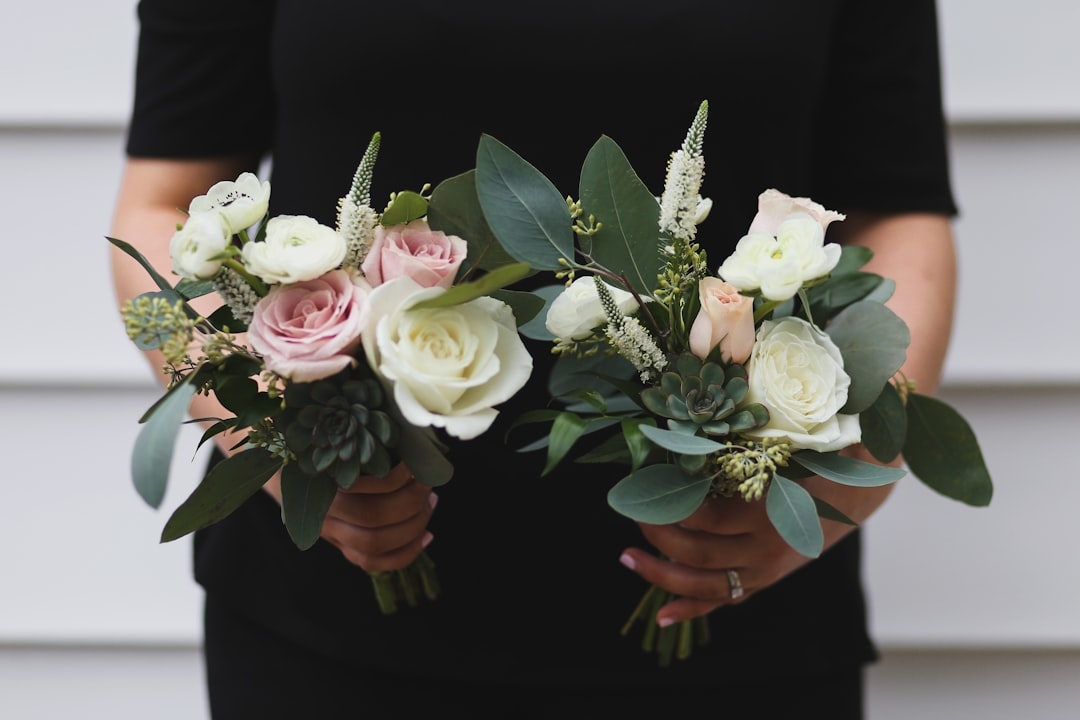
Dense, layered blooms like peonies and garden roses hold significantly more moisture than single-petaled flowers like anemones or ranunculus. High-moisture flowers require more silica gel volume and longer drying times — underdoing either leads to mold. If your bouquet is rose-heavy, go with the Silica Sorb Professional Grade kit’s 10 lbs over the 3-lb or 5-lb kits. If your arrangement leans heavily on eucalyptus sprigs, ferns, or olive branches, the glycerin method via EcoGel will produce better, more tactile results than drying alone.
Decide on Your End Display
The display format should drive your method choice. Resin produces the most permanent and display-ready result — you can set a preserved resin piece on a shelf and forget about it for decades. Silica-dried flowers are beautiful but require a sealed shadow box or glass dome to prevent dust accumulation and humidity damage. Pressed flowers suit wall art and framed displays. Freeze-dried flowers (via lab service) retain the most lifelike three-dimensional form and can be displayed under a glass cloche.
Timeline: How Soon Can You Start?
This is the factor most brides underestimate. Silica gel preservation should ideally start within 24 hours of the wedding ceremony — 48 hours at the absolute maximum if flowers are kept in water. Freeze-drying labs recommend shipping within 3 days. Glycerin preservation has slightly more flexibility since it works on foliage that isn’t actively dying as quickly as petals. If you’re planning to preserve your bouquet yourself, buy your kit before the wedding and have it set up and ready. Waiting until the flowers show distress cuts your success rate significantly.
Budget and Reusability
Silica gel kits offer the best cost-per-use ratio because the gel is reusable indefinitely after recharging in an oven. A $35–$55 silica kit could theoretically be used dozens of times. Resin kits are one-time expenditures — once mixed and cured, the medium cannot be reused. For brides on a tight budget who still want high-quality results, the Floral Preserve Pro at $34.99 delivers exceptional value. For brides who want zero guesswork, the Pressed Blooms Bundle at $67.00 is justifiably priced given the included video course and timeline system.
Eco-Friendly Considerations
Sustainability matters to a growing number of couples. The most environmentally responsible choice is the EcoGel glycerin kit — the solution is plant-derived, biodegradable, and produces no hazardous waste. Silica gel, while not biodegradable, can be reused for years before disposal, which reduces its environmental footprint per use compared to single-use options. Epoxy resin is the least eco-friendly method: the chemicals are synthetic, the mixing process produces waste materials, and cured resin is not recyclable. If environmental impact is a priority, factor this into your decision alongside preservation quality.
Common Mistakes to Avoid With Flower Preservation Kits
Waiting Too Long
Forty-eight hours is the outer limit for beginning silica gel drying on fresh flowers. After that, cellular breakdown has progressed far enough that dried results will show browning, petal collapse, and color loss. Set a preservation alarm for the evening of your wedding or the morning after.
Using Too Little Silica Gel
Flowers must be completely submerged in silica — not just resting on top of a thin layer. A standard bridal bouquet needs at minimum 5 lbs of silica gel for full coverage. Inadequate coverage creates humid pockets that cause uneven drying and mold spots.
Casting Undried Flowers in Resin
Resin is unforgiving. Any moisture trapped inside will cause the flower to rot, clouding your clear cast and ruining the piece within weeks. Always fully dry flowers using silica or pressing before introducing them to any resin kit. The curing process generates heat that accelerates decomposition if moisture is present.
Skipping UV Protection
Even beautifully preserved flowers will fade dramatically if placed in direct sunlight without UV protection. Display shadow boxes should use UV-protective glass. Resin pieces should be finished with a UV-resistant topcoat. Pressed flowers behind standard glass will fade noticeably within 2–3 years of sun exposure.
Ignoring Humidity in Storage
Silica-dried flowers are hygroscopic — they absorb ambient moisture from the air. Store finished dried arrangements in a sealed container with fresh silica gel packets, or display under a glass dome. Humid climates (Florida, coastal regions, the Pacific Northwest) are particularly unforgiving for dried floral displays stored in open air.
Frequently Asked Questions About Flower Preservation Kits
What is the best flower preservation kit for beginners?
The Floral Preserve Pro Silica Gel Kit is the most beginner-friendly option. It includes clear instructions, a drying time chart for 30 flower varieties, and reusable materials that allow for practice without significant added cost. Silica gel is also the most forgiving preservation method — mistakes are recoverable in a way that resin casting is not.
How long do preserved wedding flowers last?
Longevity depends heavily on the method and storage conditions. Freeze-dried flowers stored correctly in low humidity and away from direct light can last 25 years or more. Silica-dried flowers typically last 5–10 years under optimal conditions. Resin-cast flowers can last 20+ years if made with UV-resistant resin. Glycerin-preserved foliage lasts 5–10 years. All methods benefit from cool, dry, low-light storage.
Can I preserve a whole wedding bouquet at home?
Yes, with the right kit and enough silica gel. A whole bouquet requires significant silica volume — at least 5–10 lbs — and a large enough airtight container to fully submerge the arrangement. The Silica Sorb Professional Grade Kit with its 6-gallon tote and 10 lbs of silica is specifically sized for this purpose. The bouquet should be deconstructed from its ties and spread in a single layer for the most even drying results.
Do flower preservation kits work on all flower types?
Most kits work well on low-to-medium moisture flowers: roses, lavender, statice, strawflower, zinnia, and daisy types dry reliably with silica. High-moisture tropical blooms like bird of paradise or anthuriums are more challenging and produce less consistent results at home. Delicate orchid petals fare best with freeze-drying. Pressing works for flat flowers with single layers of petals, but is unsuitable for dome-shaped flowers without petal-by-petal disassembly.
Is it cheaper to preserve flowers at home or use a professional service?
Home preservation kits range from $26–$67 for a one-time investment. Professional freeze-drying services cost $150–$400 depending on bouquet size and the lab. Professional resin encapsulation services typically run $100–$300. For most brides, a home silica kit offers the best cost-outcome ratio — particularly for arrangements that are silica-friendly. Professional services are worth the premium if you want freeze-dried results (which cannot be replicated at home) or if the bouquet has significant sentimental value and you want expert handling.
Your Next Step Before the Big Day
The best time to buy a preservation kit is before you finalize your floral order — once you know what flowers you’re carrying, you can match the kit to the method those specific blooms require. Bookmark this guide, confirm your bouquet composition with your florist, then return here to make your selection. If you’re working with dense garden roses and peonies, go silica and go big. If your arrangement is greenery-forward, add glycerin to the mix. If you have one standout bloom you’d walk across a room to look at, consider resin.
Preservation is not a backup plan. It’s a decision that deserves the same advance thought as the flowers themselves.