Contents:
- Why Fresh Flowers Belong in Your Workplace
- The Best Office Flower Subscription Services in 2026
- Quick Comparison: Office Flower Subscription Services at a Glance
- How to Choose the Right Office Flower Subscription
- Start with Your Space Size
- Calculate Your Real Cost Per Day
- Match the Aesthetic to Your Brand
- Think About Who Manages It
- Ask About Pausing
- Office Flower Subscription FAQs
- How much does an office flower subscription cost per month?
- How often should fresh flowers be delivered to an office?
- Can I customize the flowers in a commercial subscription?
- Are office flower subscriptions tax deductible?
- What flowers last longest in an office environment?
What’s the first thing a client notices when they walk into your office? Before they shake a hand or read a brochure, they’ve already formed an impression — and fresh flowers can make that impression extraordinary. A well-chosen office flower subscription transforms a sterile reception area into a space that feels alive, intentional, and welcoming. But with dozens of services competing for your budget, how do you pick the right one?
This guide breaks down the best flower subscription services for commercial spaces — from sleek corporate lobbies to cozy dental waiting rooms — with honest pros, cons, and pricing so you can make a confident call.
Why Fresh Flowers Belong in Your Workplace
Fresh flowers aren’t just decorative. A 2009 study by Rutgers University found that flowers in a workspace triggered positive emotional responses in 100% of participants — and the effect lasted beyond the moment of receiving them. Separate research from the University of Exeter showed that a “lean” office with no plants or flowers reduced productivity by 15% compared to spaces with natural elements.
For waiting rooms specifically, the stakes are even higher. Patients, clients, and visitors are often anxious. A vase of fresh lilies or seasonal tulips signals care and attention — qualities every professional wants associated with their brand.
A recurring office flower subscription means you never have to think about it. Flowers arrive on schedule, arranged and ready, so your space always looks its best.
“In commercial settings, I always recommend going seasonal and structural — think tall stems, architectural blooms like protea or amaranthus. They hold up longer under air conditioning and create visual impact from across the room.”
— Dana Whitfield, AIFD-Certified Floral Designer and founder of Whitfield Studio Botanicals, Chicago
The Best Office Flower Subscription Services in 2026
Each service below has been evaluated on delivery reliability, arrangement quality, customization options, pricing transparency, and suitability for commercial use. Prices reflect standard weekly or bi-weekly plans at the time of writing.
-
1. UrbanStems for Business
Best for: Modern offices that want a curated, design-forward aesthetic.
UrbanStems has built a reputation for arrangements that look like they belong in an interior design magazine. Their business tier offers weekly or bi-weekly deliveries starting around $65–$85 per arrangement, with same-day delivery available in major metros including New York, DC, Los Angeles, and Chicago. Arrangements come in standardized vases you keep and reuse, which reduces waste and keeps the look consistent week to week.
Pros: Consistent aesthetic, strong urban delivery network, easy online management portal for account admins.
Cons: Limited customization — you choose a style, not specific blooms. Not available in rural or suburban markets outside major cities.
Ideal for: Tech companies, boutique law firms, creative agencies.
-
2. The Bouqs Co. — Commercial Plans
Best for: Offices prioritizing sustainability and farm-direct sourcing.
The Bouqs sources directly from eco-certified farms in Ecuador and Colombia, which means flowers travel fewer miles and arrive fresher than many competitors. Their commercial subscription starts at around $50–$70 per delivery depending on arrangement size, with flexible frequency options (weekly, bi-weekly, or monthly). They offer a dedicated business account manager once you commit to a quarterly plan — a meaningful perk for offices coordinating multiple locations.
Pros: Farm-direct freshness, sustainability story you can share with clients, excellent customer support.
Cons: Arrangements are less avant-garde than competitors; more traditional bouquet styles. Customization for specific colors or blooms costs extra.
Ideal for: Medical offices, wellness centers, law firms with eco-conscious branding.
-
3. Farmgirl Flowers — Office Subscription
Best for: Offices that want abundant, lush arrangements without a florist price tag.
Farmgirl Flowers has a cult following for good reason: their arrangements are generous. A standard office arrangement is packed with 15–25 stems, often featuring garden-style blooms like ranunculus, garden roses, and lisianthus. Pricing runs $75–$110 per delivery, which is on the higher end — but the volume and quality justify it. All arrangements arrive in burlap wrapping that doubles as décor. Delivery is nationwide via FedEx overnight, with Monday–Wednesday shipping windows.
Pros: Exceptionally full arrangements, beautiful unboxing presentation, strong nationwide reach.
Cons: You don’t choose specific flowers; the farm selects what’s seasonal. Delivery days are limited, which may not suit every office schedule.
Ideal for: Real estate offices, hospitality lobbies, upscale retail environments.
-
4. Teleflora Business Solutions
Best for: Businesses that want locally-arranged flowers with nationwide coverage.
Unlike most subscription services that ship cut stems, Teleflora partners with a network of over 10,000 local florists across the US. That means your flowers are arranged by a professional in your area and hand-delivered — no rehydrating limp stems after a FedEx journey. Business plans are quote-based, but most offices report paying $80–$150 per arrangement depending on size and location. You can request specific color palettes, vase styles, and seasonal preferences.
Pros: Locally arranged and delivered, highest level of customization, relationships with real florists who know your preferences over time.
Cons: Higher price point, and quality can vary by local florist partner. Less predictable aesthetic consistency than direct-ship brands.
Ideal for: Hospitals, luxury hotels, executive suites, and any business that wants a truly bespoke arrangement.
-
5. BloomsyBox — Office Plan
Best for: Small offices on a tighter budget that still want fresh, quality blooms.
BloomsyBox’s office subscription is one of the most accessible price points in the commercial market, starting at around $45–$60 per delivery for a medium arrangement. Flowers are sourced directly from Rainforest Alliance-certified farms and ship in water tubes to arrive hydrated. The subscription dashboard makes it easy to pause, skip, or change delivery frequency — a huge practical win for offices that close for holidays or summer slowdowns.
Pros: Competitive pricing, easy account management, farm-direct quality, pause/skip options.
Cons: Arrangements are more modest in size than Farmgirl or Teleflora. Less suitable for large lobbies or statement displays.
Ideal for: Small businesses, therapy practices, co-working spaces, and satellite offices.
-
6. Local Florist Direct Subscription
Best for: Businesses that value community relationships and ultimate flexibility.
Don’t overlook your neighborhood florist. Many independent florists offer commercial subscription agreements — often negotiated directly — that rival or beat national services on quality and freshness. A typical local arrangement of 12–18 stems might run $55–$95 per delivery, but you gain something no app can offer: a florist who knows your space, your brand colors, and your preferences by name. Ask about a trial month before committing to a quarterly contract.
Pros: Hyper-personalized, supports local business, fastest possible delivery, true seasonal freshness.
Cons: No standardized platform, scheduling can be informal, quality depends entirely on the florist you choose.
Ideal for: Any business willing to invest 30 minutes finding the right local partner — it’s almost always worth it.
🌿 What the Pros Know
Professional event designers working in commercial spaces almost always condition flowers before placing them. That means cutting stems at a 45-degree angle and letting them hydrate in clean, room-temperature water for at least 4 hours before arranging. If your subscription ships cut stems, do this every time — it can add 3–5 extra days of vase life, which dramatically changes your cost-per-day calculation.
Quick Comparison: Office Flower Subscription Services at a Glance
| Service | Starting Price | Delivery Type | Customizable? | Best For |
|---|---|---|---|---|
| UrbanStems for Business | $65/delivery | Courier (major cities) | Style only | Modern city offices |
| The Bouqs Co. | $50/delivery | Shipped nationwide | Limited | Eco-conscious brands |
| Farmgirl Flowers | $75/delivery | FedEx overnight | Seasonal only | Lush, abundant displays |
| Teleflora Business | $80/delivery | Local florist hand-delivery | High | Luxury, bespoke needs |
| BloomsyBox | $45/delivery | Shipped nationwide | Limited | Budget-conscious offices |
| Local Florist | $55–$95/delivery | Local hand-delivery | Full | Maximum personalization |
How to Choose the Right Office Flower Subscription
There’s no single “best” service — the right choice depends on your space, your budget, and how much you want to be involved. Here’s a practical framework to narrow it down.
Start with Your Space Size
A compact reception desk (think: 3 feet wide) is perfectly served by a medium bouquet of 10–15 stems. A hotel lobby or open-plan waiting room needs something taller and fuller — at least 20+ stems or a tall, architectural arrangement in a vessel that clears 18 inches. If you’re ordering from a shipped service, always check the stated stem count, not just the photo.
Calculate Your Real Cost Per Day
A $75 arrangement that lasts 10 days costs $7.50/day. A $45 arrangement that wilts after 5 days costs $9/day. Always factor in longevity. Shipped flowers typically last 5–8 days; locally arranged flowers, especially those properly conditioned, often last 8–14 days. Ask your provider what vase life to expect — and hold them to it.
Match the Aesthetic to Your Brand
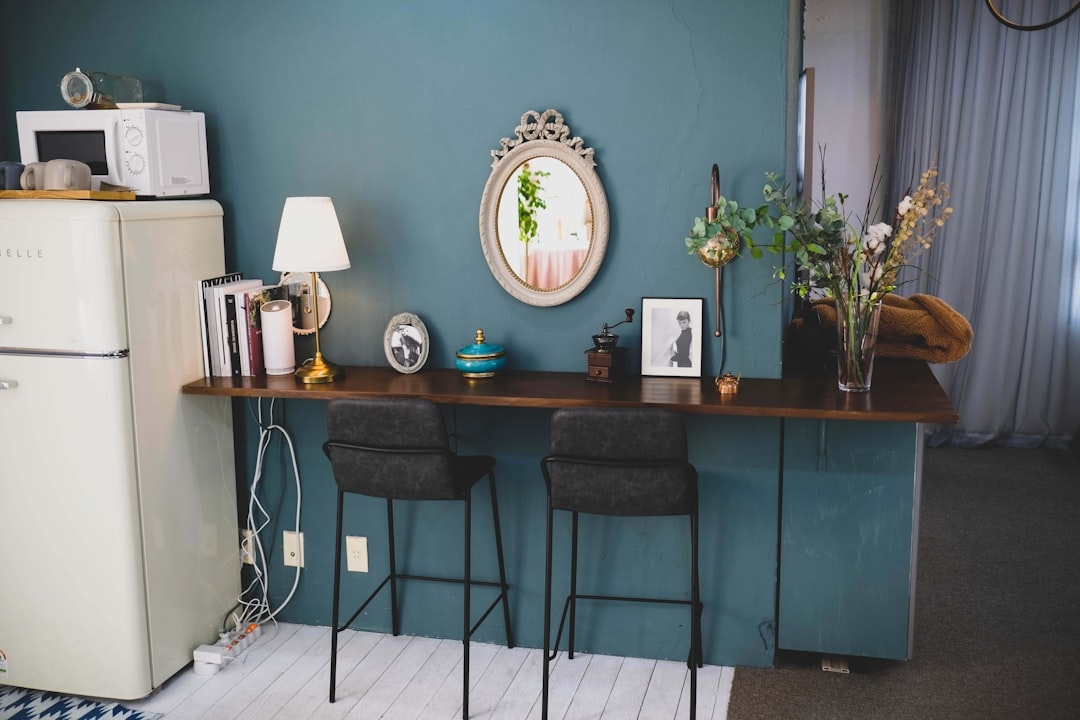
A pediatric dental office probably wants bright, cheerful sunflowers and tulips. A law firm might prefer structured white calla lilies or classic all-white arrangements. Most subscription services let you choose a color palette even if you can’t choose specific flowers. If brand alignment is a priority, Teleflora or a local florist will give you the most control.
Think About Who Manages It
Someone at your office has to receive deliveries, trim stems, and refresh water every 2–3 days. If that’s a receptionist who’s already stretched thin, consider a service that delivers pre-arranged flowers in a vase (UrbanStems, Teleflora) rather than loose stems that need arranging. Reducing that friction means the flowers actually get proper care.
Ask About Pausing
Offices close for holidays, conferences, and summer slowdowns. A subscription that charges you whether you’re there or not will quickly feel like a waste. BloomsyBox, The Bouqs, and UrbanStems all offer pause/skip options directly in their account dashboards — verify this before you commit.
Office Flower Subscription FAQs
How much does an office flower subscription cost per month?
Most office flower subscriptions cost between $90 and $300 per month, depending on delivery frequency and arrangement size. Weekly deliveries of medium arrangements typically run $45–$85 per delivery. Larger arrangements or hand-delivered options from local florists can reach $100–$150 per arrangement.
How often should fresh flowers be delivered to an office?
For most offices, weekly or bi-weekly delivery is ideal. Cut flowers typically last 5–10 days with proper care (fresh water every 2 days, trimmed stems, away from direct AC vents). Offices with heavy foot traffic or warm, dry environments may need weekly delivery to maintain a consistently fresh appearance.
Can I customize the flowers in a commercial subscription?
Customization varies by provider. Services like Teleflora and local florists offer high customization — specific blooms, colors, and vase styles. Shipped services like Farmgirl Flowers and BloomsyBox are more seasonal and curated, meaning you choose a color palette or style but not individual flowers. If exact branding alignment matters, opt for locally arranged services.
Are office flower subscriptions tax deductible?
In most cases, yes — office flower subscriptions can be deducted as a business expense under “office supplies” or “facility maintenance.” They must be used in a professional setting and not for personal enjoyment. Always consult your accountant or CPA to confirm eligibility based on your specific business structure and tax situation.
What flowers last longest in an office environment?
The longest-lasting cut flowers for offices include chrysanthemums (up to 3 weeks), alstroemeria (2 weeks), carnations (2–3 weeks), and orchids (several weeks as potted plants). Roses and tulips, while beautiful, typically last only 5–7 days. If your office has strong air conditioning — a common flower-killer — avoid ethylene-sensitive blooms like roses near vents and opt for hardier tropical stems like protea or anthurium.
Ready to make a decision? Start by requesting a trial arrangement from your top two contenders before committing to a quarterly contract. Most reputable commercial flower services will accommodate a one-time test order. Put both arrangements in your space, photograph them on day one and day seven, and let the results speak for themselves. Your waiting room — and everyone who walks into it — will notice the difference.