Contents:
- What Makes a Hori Hori Knife Great for Planting Bulbs
- The Best Hori Hori Knives for Bulb Planting — Ranked
- Nisaku NJP-650 Hori Hori Weeding & Digging Knife
- Fiskars Hori Hori Garden Knife
- VAMPLIERS / Truly Garden Hori Hori — Premium Edition
- BAREBONES Hori Hori Garden Knife
- Edward Tools Hori Hori Garden Knife
- Wolf Garten Multi-Change Hori Hori
- Hori Hori Knife Comparison Table
- Common Mistakes to Avoid When Using a Hori Hori for Bulbs
- How to Choose the Best Hori Hori Knife for Bulb Planting
- Match Blade Length to Your Bulb Types
- Assess Your Soil Conditions
- Consider How Many Bulbs You Plant Per Season
- Factor in Long-Term Value, Not Just Sticker Price
- Handle Material: Wood vs. Synthetic
- Bulb Planting Depth Quick Reference
- The Eco-Friendly Angle: Buying Tools That Last
- Final Recommendation by Gardener Type
- Frequently Asked Questions
- What is the best hori hori knife for planting bulbs?
- How deep should a hori hori knife reach for bulb planting?
- Is a serrated or smooth hori hori blade better for bulbs?
- Can I use a hori hori knife instead of a bulb planter?
- How do I maintain a hori hori knife after bulb planting season?
You’re kneeling in the garden, trowel in one hand, a bag of tulip bulbs in the other, and within ten minutes your wrist aches, the soil won’t cooperate, and the depth markings on your plastic scoop are already fading. Sound familiar? Gardeners who plant bulbs by the dozen — or by the hundreds — know this frustration intimately. The best hori hori knife for bulbs changes everything. One tool cuts roots, measures planting depth, divides clumps, and slices open bags of compost. It’s the Swiss Army knife of the garden bed, and once you use a good one, there’s no going back.
This guide compares the top hori hori knives on the market right now, with honest assessments of blade quality, depth markings, handle comfort, and long-term durability. Whether you’re tucking in 50 daffodils along a walkway or installing a 500-bulb spring meadow, there’s a specific knife here that fits your hands, your soil, and your budget.
What Makes a Hori Hori Knife Great for Planting Bulbs
Not every hori hori is built equal. For bulb planting specifically, three features matter most: clearly etched depth markings (not painted-on, which fade), a blade length of at least 6.5 inches to reach the 6–8 inch depth required by tulips and alliums, and a serrated edge on at least one side for cutting through fibrous roots and clay-heavy soil. A comfortable, non-slip grip matters too — you’ll be pressing this tool into the ground hundreds of times per session. Weight around 7–10 oz strikes the sweet spot between sturdiness and fatigue.
The Best Hori Hori Knives for Bulb Planting — Ranked
1. Nisaku NJP-650 Hori Hori Weeding & Digging Knife
The Nisaku NJP-650 is the benchmark against which most other hori hori knives are measured — and for good reason. Forged from Japanese stainless steel with a 7.25-inch blade, it reaches the 6–8 inch planting depth for tulips, hyacinths, and large alliums without any awkward angling. The depth markings are stamped directly into the metal at 1-inch intervals, so they won’t wear off after a season of heavy use. One side is serrated, the other is smooth and razor-sharp, making it equally effective in rocky New England soil and the sandy loam of the Pacific Northwest. The walnut handle is beautiful, but more importantly, it’s ergonomically balanced at about 8.5 oz total. At roughly $35–$45, this is premium quality without crossing into luxury territory. The leather sheath included is genuine, not bonded leather. Best for: gardeners who want a lifetime tool and plant bulbs in varied soil types.
2. Fiskars Hori Hori Garden Knife
Fiskars brings its signature engineering precision to the hori hori category with a knife that prioritizes ergonomics and value. The 6.5-inch stainless steel blade covers standard bulb depths (adequate for daffodils at 6 inches, though tight for crown imperials at 8 inches). The handle is molded plastic with a soft-grip insert — not as aesthetically pleasing as wood, but genuinely comfortable during extended planting sessions and easy to clean. Depth markings are laser-etched at centimeter and inch intervals, and they hold up well to regular use. At around $25–$30, this is the most accessible option on this list. It won’t develop the same patina or heirloom quality as a Japanese-forged blade, but for gardeners planting 100–300 bulbs per season, the Fiskars delivers outstanding value. The lifetime warranty is a genuine differentiator. Best for: budget-conscious gardeners and beginners.
3. VAMPLIERS / Truly Garden Hori Hori — Premium Edition
The Truly Garden hori hori has cultivated a devoted following among serious flower growers, and the Premium Edition earns that loyalty. The 7-inch high-carbon stainless steel blade arrives razor-sharp from the factory — sharp enough to slice dahlia tubers without tearing — and holds its edge noticeably longer than most competitors over a full planting season. Depth markings are laser-etched in both inches and centimeters, running to 6 inches, which means you’ll be eyeballing the final inch or two for deeper bulbs. The walnut handle features a lanyard hole for tool tethering — useful on slopes. At approximately $38–$48, it sits slightly above the Nisaku in price but rewards that investment with superior edge retention. The brand also plants a tree for every knife sold, making this the standout eco-friendly choice on this list. Best for: gardeners who prioritize sharpness, edge retention, and environmental impact.
4. BAREBONES Hori Hori Garden Knife
BAREBONES positions this knife as a lifestyle product, and the aesthetics are undeniably stunning — a matte black powder-coated blade with a leather-wrapped handle that looks at home in a magazine shoot. But looks aside, this is a serious tool. The 7.25-inch carbon steel blade is thicker than most (about 3mm), which means more leverage when splitting perennial clumps or prying stones out of planting zones. Carbon steel sharpens more easily than stainless but requires drying and occasional oiling to prevent rust — important to know before buying. Depth markings run to 5 inches, which is the weakest point: you’ll need to compensate visually for bulbs requiring 6–8 inch depth. Priced at $55–$65, it’s the most expensive option here. Best for: gardeners who want a dual-purpose tool for both bulb planting and heavier digging tasks, and don’t mind light maintenance.
5. Edward Tools Hori Hori Garden Knife
Edward Tools has quietly become a favorite among high-volume bulb planters, largely because of its aggressive price-to-performance ratio. The 6.75-inch stainless steel blade is stamped (not forged), which explains the $18–$22 price point, but the depth markings are etched clearly to 6 inches and the dual-edge design (serrated + smooth) performs reliably in most soil conditions. The rubberized handle provides a secure grip even in wet conditions — a meaningful advantage when planting fall bulbs in October rain. It won’t match the edge retention or build quality of the Nisaku or Truly Garden, but for a gardener planting 50–100 bulbs per season who doesn’t want to spend $40+, it’s a genuinely smart purchase. Backed by a lifetime replacement guarantee. Best for: casual gardeners, gift buyers, and anyone testing the hori hori format for the first time.
6. Wolf Garten Multi-Change Hori Hori
Wolf Garten takes a modular approach: the hori hori blade attaches to any Wolf Garten Multi-Change handle, allowing you to swap between a short handle for kneeling work and a long handle (up to 59 inches) for standing planting — genuinely useful for gardeners managing raised beds or mobility challenges. The 6.5-inch blade is high-quality German steel, with clear depth markings to 5 inches. The system adds complexity (and cost — budget $40–$55 for blade plus a handle), but the ergonomic flexibility is unmatched. It’s the only option here that eliminates kneeling entirely when used with the extended handle. Best for: gardeners with back or knee issues, or anyone managing large raised-bed installations.
Hori Hori Knife Comparison Table
| Knife | Blade Length | Blade Material | Max Depth Marking | Price (USD) | Best For |
|---|---|---|---|---|---|
| Nisaku NJP-650 | 7.25 in | Japanese stainless | 7 in | $35–$45 | Overall best / all soil types |
| Fiskars Hori Hori | 6.5 in | Stainless steel | 6 in | $25–$30 | Best value / beginners |
| Truly Garden Premium | 7 in | High-carbon stainless | 6 in | $38–$48 | Edge retention / eco buyers |
| BAREBONES | 7.25 in | Carbon steel | 5 in | $55–$65 | Heavy digging / dual-use |
| Edward Tools | 6.75 in | Stainless steel | 6 in | $18–$22 | Casual / gift |
| Wolf Garten Multi-Change | 6.5 in | German steel | 5 in | $40–$55 | Mobility / raised beds |
Common Mistakes to Avoid When Using a Hori Hori for Bulbs
Even the best tool delivers poor results when used incorrectly. Here are the mistakes that trip up gardeners most often:
- Planting at the wrong depth. The standard rule is 2–3x the bulb’s diameter. A 2-inch tulip bulb goes 4–6 inches deep; a 1-inch crocus bulb goes 2–3 inches. Don’t eyeball it — use your knife’s depth markings every single time.
- Forcing the blade in dry, compacted soil. If the knife won’t enter the soil with moderate pressure, water the bed lightly first or amend the top 8 inches with compost. Forcing the blade bends cheaper stamped steel and strains your wrist.
- Neglecting to clean the blade between beds. Soil pathogens like Fusarium can transfer between planting zones on a dirty blade. Wipe the knife with a diluted bleach solution (1 part bleach, 9 parts water) when moving between different garden areas.
- Storing a carbon steel blade wet. If you own the BAREBONES or another carbon steel knife, always dry the blade after use and apply a thin coat of mineral oil at season’s end. Rust forms fast, even in low-humidity climates.
- Ignoring the serrated edge. Many gardeners default to the smooth side for everything. The serrated edge is designed for cutting through fibrous roots, burlap, and weed mat — use it. It saves significant effort.
How to Choose the Best Hori Hori Knife for Bulb Planting
Match Blade Length to Your Bulb Types
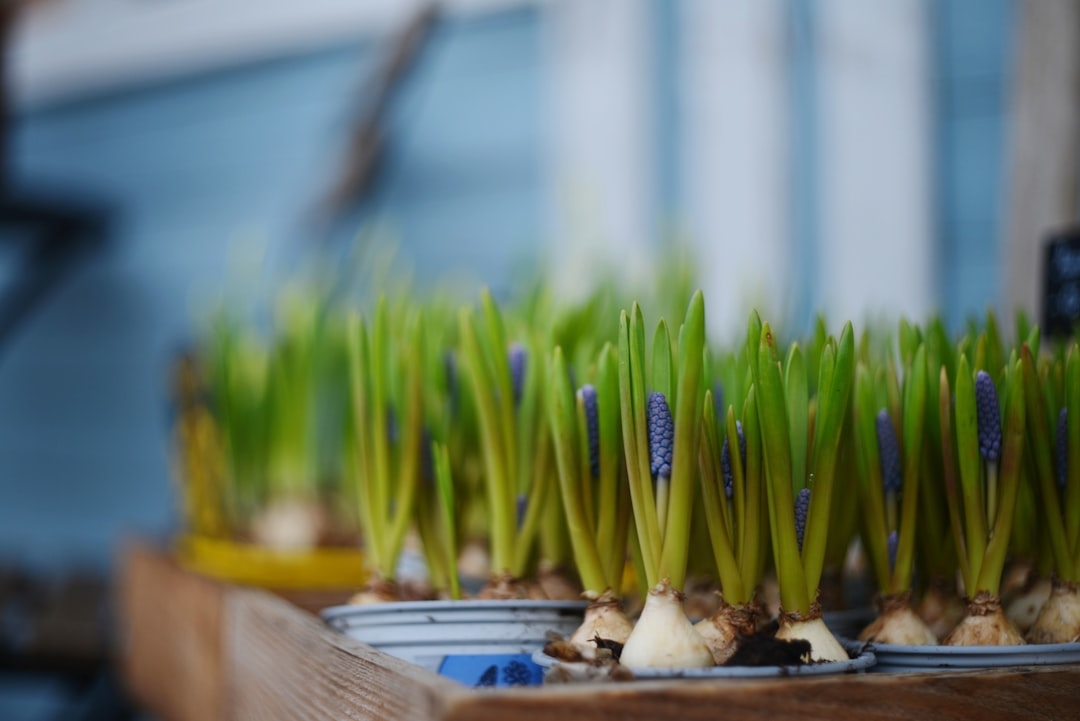
Crocus and grape hyacinth (Muscari) only need 3–4 inches of depth — almost any hori hori handles that. But if you’re regularly planting crown imperials (Fritillaria imperialis), large alliums, or double-nosed daffodils, you need a blade that reaches at least 7 inches into the ground. That narrows the field to the Nisaku NJP-650 and the BAREBONES. If your bulb mix is primarily tulips, daffodils, and hyacinths — the standard American garden assortment — a 6.5 to 7-inch blade handles everything comfortably.
Assess Your Soil Conditions
Gardeners in the clay-heavy Midwest or the rocky soils of USDA Hardiness Zones 4–6 in the Northeast need a thicker, more rigid blade — the BAREBONES at 3mm thickness is built for that punishment. Those gardening in the well-amended, loamy soils common in Pacific Northwest cottage gardens or raised beds across the Sun Belt can get excellent results from lighter, stamped-steel options like the Edward Tools or Fiskars. Soil type determines how much leverage you need, and leverage determines optimal blade thickness.
Consider How Many Bulbs You Plant Per Season
Volume matters. Planting 50 bulbs a year? The Edward Tools at $20 is perfectly sufficient. Planting 300–500 bulbs across multiple beds each fall — the kind of commitment that produces those breathtaking April displays florists dream about — warrants an investment in a forged blade like the Nisaku or Truly Garden. The ergonomics of a forged knife reduce hand fatigue measurably over extended sessions. One study of repetitive hand tool use found that balanced, ergonomic handles reduce grip fatigue by up to 30% compared to poorly balanced alternatives — that’s the difference between planting 200 and 300 bulbs before calling it a day.
Factor in Long-Term Value, Not Just Sticker Price
A $22 stamped-steel knife may need replacing every 2–3 seasons with heavy use. The Nisaku NJP-650, properly maintained, lasts 10–20 years. At $40, that’s $2–$4 per year versus $7–$11 per year for the budget option. Buying quality once is also a more sustainable choice — less manufacturing waste, less packaging, fewer replacement cycles. The Truly Garden knife takes this further with its tree-planting program: every purchase directly funds reforestation, making it a meaningful option for eco-conscious gardeners who want their tool purchases to give back.
Handle Material: Wood vs. Synthetic
Wood handles — walnut, in most premium knives — absorb vibration better than synthetic and feel warmer in cold fall weather. They do require occasional conditioning with linseed oil to prevent cracking. Synthetic handles (Fiskars, Edward Tools) are maintenance-free and often more grippy when wet, which matters during October planting sessions in rainy climates. Neither is objectively superior; it’s genuinely a matter of preference and how much maintenance you’re willing to do.
Bulb Planting Depth Quick Reference
Use your hori hori’s depth markings against these targets when planting common US garden bulbs:
- Crocus: 3–4 inches deep
- Grape Hyacinth (Muscari): 3–4 inches deep
- Tulip (standard): 6–8 inches deep
- Daffodil / Narcissus: 6–8 inches deep
- Hyacinth: 6–8 inches deep
- Allium (large, e.g., Gladiator): 6–8 inches deep
- Crown Imperial (Fritillaria): 8 inches deep
- Dahlia tubers: 4–6 inches deep
- Camassia: 4–6 inches deep
The Eco-Friendly Angle: Buying Tools That Last
Mass-produced garden tools — the flimsy trowels that bend by mid-season and end up in landfills — represent a quiet environmental problem. Choosing a hori hori knife made from high-quality forged steel and natural handle materials is a genuinely sustainable gardening decision. A single Nisaku or Truly Garden knife, properly cared for, replaces a dozen disposable alternatives over its lifetime. The Truly Garden brand goes a step further with its verified tree-planting commitment. And for gardeners who compost, mulch, and choose native plant bulbs like Camassia leichtlinii and wild Trillium over imported exotics, a durable, ethically made tool fits seamlessly into a lower-impact gardening philosophy.
Final Recommendation by Gardener Type
- Best overall: Nisaku NJP-650 — the most reliable, longest-lasting, deepest-reaching knife at a fair price.
- Best value: Fiskars Hori Hori — lifetime warranty, ergonomic handle, and solid performance under $30.
- Best for eco-conscious buyers: Truly Garden Premium — outstanding sharpness plus a reforestation commitment.
- Best for heavy soil / dual-use: BAREBONES — thick carbon steel blade built for tough conditions.
- Best for mobility or raised beds: Wolf Garten Multi-Change — the only option that eliminates kneeling entirely.
- Best for beginners and gifting: Edward Tools — reliable, inexpensive, and backed by a lifetime guarantee.
This fall, before that first bag of tulips arrives on your doorstep, pick the knife that matches your soil, your scale, and your standards. The right hori hori doesn’t just make planting easier — it makes it something you look forward to.
Frequently Asked Questions
What is the best hori hori knife for planting bulbs?
The Nisaku NJP-650 is the best overall hori hori knife for planting bulbs. Its 7.25-inch Japanese stainless steel blade reaches the 6–8 inch depth required by tulips, daffodils, and large alliums, and its stamped depth markings won’t fade with regular use. It’s priced at $35–$45 and built to last 10–20 years with basic maintenance.
How deep should a hori hori knife reach for bulb planting?
For most common garden bulbs — tulips, daffodils, hyacinths, and large alliums — you need to reach 6–8 inches deep. Choose a hori hori with a blade of at least 6.5 inches and depth markings that extend to at least 6 inches. For crown imperials (Fritillaria imperialis), aim for a knife that reaches 8 inches without angling.
Is a serrated or smooth hori hori blade better for bulbs?
Both edges serve different purposes. The smooth edge makes clean cuts when dividing bulb clumps or slicing through soft soil. The serrated edge is better for cutting through fibrous roots, clay, or weed mat before planting. Most quality hori hori knives include both edges on the same blade — use whichever the situation calls for.
Can I use a hori hori knife instead of a bulb planter?
Yes — and many experienced gardeners prefer it. A hori hori creates a narrow, precise hole that disturbs surrounding soil less than a cylindrical bulb planter. It’s faster for planting single bulbs or small clusters. For mass planting (100+ bulbs in a single bed), a combination of a hori hori for spot planting and a long-handled bulb auger for rows is often the most efficient approach.
How do I maintain a hori hori knife after bulb planting season?
At the end of the fall planting season: (1) clean the blade thoroughly with soapy water and a stiff brush; (2) dry completely; (3) sharpen with a whetstone or ceramic rod if needed; (4) apply a light coat of mineral oil to carbon steel blades to prevent rust; (5) condition wooden handles with linseed oil. Store in the leather sheath in a dry location. Stainless steel knives require less off-season care than carbon steel, but both benefit from the cleaning and sharpening steps.