Contents:
- Why Flowering Plants Need a Different Soil Mix
- Seasonal Planting Calendar: When Soil Choice Matters Most
- The 7 Best Potting Soils for Flowering Plants, Ranked and Reviewed
- FoxFarm Ocean Forest Potting Mix
- Miracle-Gro Moisture Control Potting Mix
- Black Gold All Purpose Potting Soil
- Espoma Organic Potting Mix
- Pro-Mix BX General Purpose Growing Medium
- Bonsai Jack Universal Organic Potting Soil
- Burpee Natural & Organic Premium Potting Mix
- Side-by-Side Comparison: Best Potting Soil for Flowering Plants
- How to Choose the Right Potting Mix for Your Flowering Plants
- Match pH to Your Plant’s Preferences
- Evaluate Drainage vs. Water Retention Needs
- Budget Planning: What You’ll Actually Spend
- Consider the Plant’s Growth Stage
- Organic vs. Synthetic: Does It Matter for Blooms?
- Common Potting Soil Mistakes That Cost You Flowers
- Frequently Asked Questions
- What is the best potting soil for flowering plants indoors?
- Can I use regular potting soil for flowering plants?
- How often should I replace potting soil for indoor flowering plants?
- What pH should potting soil be for flowering plants?
- Should I add perlite to potting soil for flowering plants?
Here’s a myth that kills more houseplants than any pest or drought: that any bag of potting mix labeled “all-purpose” is perfectly fine for your flowering plants. It isn’t. Standard all-purpose mixes are engineered for foliage — they’re dense, moisture-retentive, and often lack the drainage and nutrient profile that flowering plants need to set buds and sustain blooms. Choosing the best potting soil for flowering plants is one of the highest-leverage decisions you can make for your indoor garden, and this guide is here to set the record straight with honest comparisons, real cost data, and zero fluff.
Why Flowering Plants Need a Different Soil Mix
Flowering plants have a two-phase energy demand that foliage plants simply don’t. First, they need robust root development and vegetative growth. Then they pivot entirely toward reproductive energy — bud formation, bloom development, and seed setting. That transition requires soil with excellent aeration (so roots stay oxygenated during flowering’s high metabolic demands), a slightly acidic pH between 5.8 and 6.5, and a slow-release phosphorus source to fuel blooms rather than just leaves.
Standard potting mixes often sit at pH 6.8 to 7.2 and lack perlite or bark content, which means drainage suffers. Waterlogged roots during flowering = dropped buds and fungal rot. It’s that simple. The mixes below were evaluated on five criteria: drainage quality, pH range, nutrient profile (especially phosphorus and potassium), organic matter content, and value for money.
🌿 What the Pros Know: Commercial greenhouse growers rarely use off-the-shelf potting mix straight from the bag. They amend it — typically adding 20–30% perlite by volume for flowering annuals, or coarse orchid bark for epiphytic bloomers like anthuriums. If you’re buying budget potting mix, budget an extra $5–8 for a small bag of perlite. The combined result often outperforms a premium mix used alone.
Seasonal Planting Calendar: When Soil Choice Matters Most
Soil needs aren’t static across the year — and if you’re growing flowering plants indoors, the calendar still influences your approach. Here’s a quick reference for US growers:
- January–February: Start seeds for spring bloomers (begonias, impatiens). Use a fine-textured seed-starting mix, not standard potting soil — seeds need low fertility and even moisture.
- March–April: Repot overwintered plants before the active growing season. This is the most critical repotting window. Choose a nutrient-rich mix with slow-release fertilizer built in.
- May–June: Pot up summer bloomers (geraniums, calibrachoa, fuchsia). Drainage is paramount — summer indoor temps increase evaporation, but overwatering is still the #1 killer.
- July–August: Established plants need less repotting. Focus on top-dressing with compost or refreshing the top 2 inches of soil if nutrients are depleted.
- September–October: Transition perennial bloomers indoors (hibiscus, bougainvillea). Repot into fresh mix to remove outdoor pathogens before they overwinter inside.
- November–December: Holiday bloomers (poinsettias, cyclamen, Christmas cactus) need well-draining mixes. Avoid over-potting — too large a container holds excess moisture in low-light winter conditions.
The 7 Best Potting Soils for Flowering Plants, Ranked and Reviewed
1. FoxFarm Ocean Forest Potting Mix
Ask any serious indoor gardener what’s in their pots, and there’s a solid chance the answer is Ocean Forest. This mix from FoxFarm has earned near-cult status, and for good reason. It combines Pacific Northwest sea-going fish and crab meal, earthworm castings, aged forest products, and sandy loam into a blend that sits at a pH of 6.3 to 6.8 — right in the sweet spot for most flowering plants. The immediate nutrition from fish meal supports early vegetative growth, while the earthworm castings provide slow-release micronutrients that sustain blooms over weeks. It’s lightweight, drains well, and plants visibly respond within 10–14 days of potting. The main downside? At roughly $25–$28 for a 1.5 cubic foot bag (~38 quarts), it’s among the pricier options. Worth every cent for flowering tropicals, geraniums, and fuchsia.
- Best for: Tropical bloomers, geraniums, calibrachoa, begonias
- pH: 6.3–6.8
- Price: ~$26 / 1.5 cu ft
- Pros: Excellent nutrient profile, good drainage, widely available
- Cons: Can be too “hot” (high nitrogen) for seedlings; may need perlite amendment for succulents
2. Miracle-Gro Moisture Control Potting Mix
The Miracle-Gro name is polarizing in gardening circles, but this specific moisture-control formula earns its place here. It’s designed with AquaCoir — a blend of coconut coir and perlite — that protects plants from both over- and under-watering by holding moisture longer during dry periods but releasing it more evenly than pure peat. For indoor flowering plants on irregular watering schedules (busy households, travel, forgetful plant parents), this is a genuinely smart choice. It includes a 6-month slow-release fertilizer charge, which is a real value addition. pH lands around 6.0–6.5. At $15–$18 for a 1 cubic foot bag, it’s the best value-for-money pick in this lineup. The coir content also makes it more environmentally sustainable than peat-heavy mixes.
- Best for: Impatiens, petunias, potted roses, peace lilies
- pH: 6.0–6.5
- Price: ~$16 / 1 cu ft
- Pros: Built-in fertilizer, moisture management, affordable
- Cons: Fertilizer runs out after 6 months; not ideal for acid-lovers like gardenias
3. Black Gold All Purpose Potting Soil
Black Gold doesn’t get the Instagram attention it deserves. This OMRI-listed organic mix from Sun Gro Horticulture contains aged bark, perlite, pumice, and earthworm castings in a chunky, well-structured blend that serious growers swear by for container flowering plants. The pH range of 5.5–7.0 is broad enough to accommodate acid-preferring bloomers like gardenias and azaleas without amendment. At approximately $14–$17 for a 16-quart bag, it sits in the mid-range price tier. One standout feature: the bark and pumice components create a root zone that stays aerated even after months of watering — a common failure point in cheaper mixes that compact over time. Highly recommended for hibiscus, anthuriums, and jasmine.
- Best for: Hibiscus, gardenias, azaleas, anthuriums
- pH: 5.5–7.0
- Price: ~$15 / 16 qt
- Pros: OMRI organic certified, resists compaction, great for acid-lovers
- Cons: Chunkier texture not ideal for small pots or seedlings
4. Espoma Organic Potting Mix
Espoma has been making organic soil amendments since 1929, and their potting mix reflects nearly a century of refinement. The formula includes sphagnum peat moss, perlite, and their proprietary Bio-tone microbes — a blend of beneficial bacteria and mycorrhizae that colonize roots and measurably improve phosphorus uptake, which is exactly what flowering plants need for bud set. Independent studies on mycorrhizal inoculants show root colonization rates increase nutrient absorption by up to 25% in container plants. Espoma’s mix lands at pH 5.5–7.0. A 16-quart bag runs $12–$15, making it the most affordable premium-organic option here. One honest caveat: the peat-heavy base can compress more than bark-based mixes, so annual repotting is advisable for perennial bloomers.
- Best for: African violets, cyclamen, potted roses, herbs with flowers
- pH: 5.5–7.0
- Price: ~$13 / 16 qt
- Pros: Bio-tone mycorrhizae, affordable, widely available at hardware stores
- Cons: Peat compacts over time; not OMRI certified
5. Pro-Mix BX General Purpose Growing Medium
Pro-Mix is the brand behind the soil at most commercial nurseries and professional greenhouse operations — you’ve likely grown in it without knowing. The BX formula uses a peat-perlite base enhanced with MYCOACTIVE technology (Rhizophagus irregularis mycorrhizae) and limestone to buffer pH between 5.5 and 6.5. It’s lighter than most consumer mixes and extremely consistent batch-to-batch, which matters when you’re potting up multiple plants at once. At $25–$35 for a 3.8 cubic foot compressed bale, the per-liter cost is actually excellent. The tradeoff: it contains no built-in fertilizer, so you’ll need to begin a fertilization regimen within two weeks of potting. For growers who prefer to control their nutrition program, that’s a feature, not a bug.
- Best for: Serious growers, orchids, anthuriums, professional potting setups
- pH: 5.5–6.5
- Price: ~$30 / 3.8 cu ft bale
- Pros: Pro-grade consistency, mycorrhizal inoculant, great bulk value
- Cons: No built-in nutrients; requires immediate fertilization; harder to find at retail
6. Bonsai Jack Universal Organic Potting Soil
Don’t let the “bonsai” name fool you — this gritty, ultra-fast-draining mix from Bonsai Jack is outstanding for any flowering plant that hates wet feet. That means succulents with blooms, desert roses (Adenium obesum), Christmas cactus, and even anthuriums. The mix is composed of 1/4-inch pine bark, perlite, and calcined clay (Turface), giving it a drainage rate that’s roughly 4–5x faster than standard potting soil. pH is calibrated to 5.5. At $20–$24 for a 7-quart bag, it’s the most expensive per-quart option here — but for plants that would rot in a regular mix, it’s not optional, it’s essential. This is a specialty product that solves a specific problem exceptionally well.
- Best for: Desert rose, Christmas cactus, haworthia with flowers, succulent bloomers
- pH: 5.5
- Price: ~$22 / 7 qt
- Pros: Exceptional drainage, no compaction, sterile and pathogen-free
- Cons: Very expensive per quart; holds almost no moisture (frequent watering needed)
7. Burpee Natural & Organic Premium Potting Mix
Burpee’s organic mix is the sleeper pick of this list — less famous than FoxFarm, more available than Pro-Mix, and specifically formulated with a bloom-enhancing coconut coir and compost base that supports flowering from transplant through the full season. It includes a starter charge of slow-release plant food rated for 3 months, plus perlite for drainage. Tested pH sits at 6.0–6.8. At $14–$18 for a 1 cubic foot bag, it’s competitively priced. Burpee’s marketing targets vegetable growers, but the phosphorus levels in this mix are notably higher than their standard mix — a quiet detail that makes it particularly suited to flowering annuals and potted perennials.
- Best for: Annuals, impatiens, zinnias grown indoors, potted perennials
- pH: 6.0–6.8
- Price: ~$16 / 1 cu ft
- Pros: Widely available, good phosphorus levels, organic certified
- Cons: 3-month fertilizer charge shorter than competitors; bag sizes limited
Side-by-Side Comparison: Best Potting Soil for Flowering Plants
| Product | pH Range | Fertilizer | Best Use | Price (approx) | Rating |
|---|---|---|---|---|---|
| FoxFarm Ocean Forest | 6.3–6.8 | Organic (fish/crab) | Tropicals, geraniums | ~$26 / 1.5 cu ft | ⭐⭐⭐⭐⭐ |
| Miracle-Gro Moisture Control | 6.0–6.5 | 6-month slow-release | Busy households, petunias | ~$16 / 1 cu ft | ⭐⭐⭐⭐ |
| Black Gold All Purpose | 5.5–7.0 | Earthworm castings | Acid-lovers, hibiscus | ~$15 / 16 qt | ⭐⭐⭐⭐½ |
| Espoma Organic | 5.5–7.0 | Bio-tone microbes | African violets, roses | ~$13 / 16 qt | ⭐⭐⭐⭐ |
| Pro-Mix BX | 5.5–6.5 | None (add yourself) | Pro growers, orchids | ~$30 / 3.8 cu ft | ⭐⭐⭐⭐⭐ |
| Bonsai Jack Universal | 5.5 | None | Succulents, cacti bloomers | ~$22 / 7 qt | ⭐⭐⭐⭐ |
| Burpee Natural & Organic | 6.0–6.8 | 3-month slow-release | Annuals, potted perennials | ~$16 / 1 cu ft | ⭐⭐⭐⭐ |
How to Choose the Right Potting Mix for Your Flowering Plants
The comparison table above is a shortcut, not a substitute for understanding your plant’s needs. Use this decision framework before you buy.
Match pH to Your Plant’s Preferences
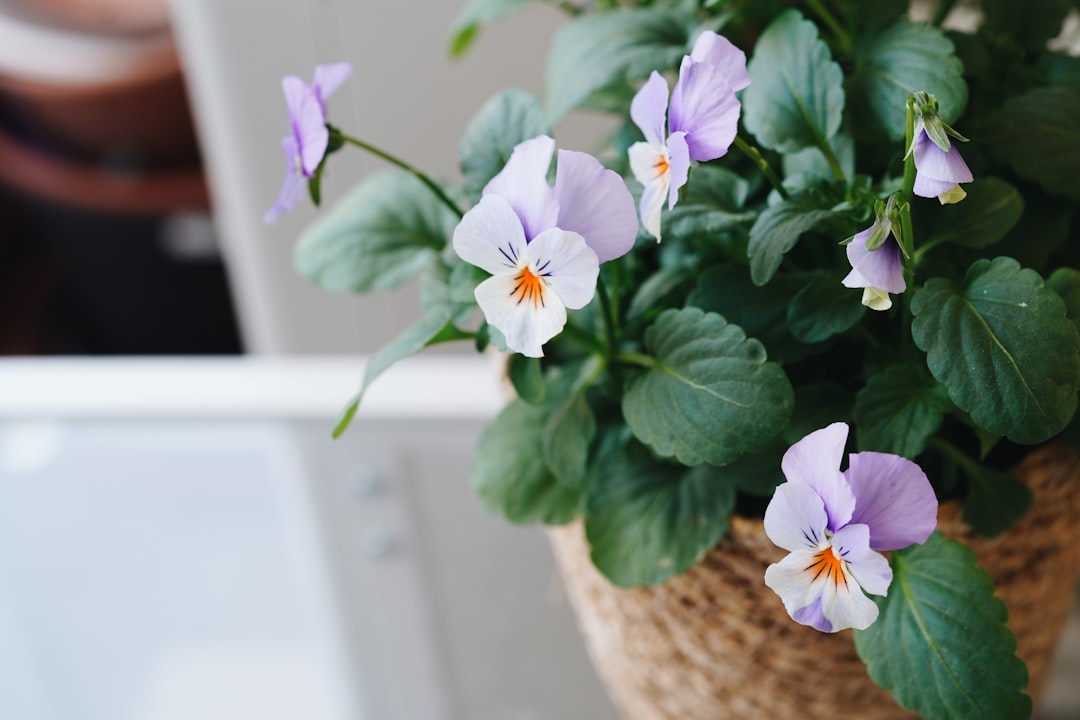
pH determines which nutrients are chemically available to roots — it’s not just a number. Gardenias, azaleas, and camellias demand a pH of 4.5–6.0. Most tropical bloomers (anthuriums, peace lilies, hibiscus) thrive at 5.8–6.5. Geraniums and petunias tolerate a wider range of 6.0–7.0. If you’re growing in USDA Hardiness Zones 9–11 indoors with hard tap water, test your water pH before potting — alkaline water above pH 7.5 will gradually shift your soil toward alkalinity even if you started with the right mix.
Evaluate Drainage vs. Water Retention Needs
A quick drainage test: pour 1 cup of water into a 6-inch pot filled with your intended mix. Well-draining soil for flowering plants should drain within 20–30 seconds. If it takes longer than 60 seconds, add 20% perlite by volume. Most flowering plants die from root rot, not drought. The exception: moisture-loving bloomers like peace lilies, impatiens, and ferns with blooms can tolerate slower-draining mixes.
Budget Planning: What You’ll Actually Spend
Here’s an honest cost breakdown for a typical indoor flowering plant setup:
- Single 6-inch pot (1 plant): ~1 quart of soil needed. Budget $1.50–$3.00.
- Repotting 5 plants into 8-inch pots: ~15 quarts needed. Budget $12–$20.
- Starting a 10-plant indoor flower garden: 1 cubic foot bag + perlite amendment. Budget $20–$32.
- Full seasonal refresh (20+ containers): Pro-Mix BX bale + liquid fertilizer. Budget $45–$65.
The premium mixes cost more upfront but reduce fertilizer expenditure — FoxFarm Ocean Forest, for example, can go 4–6 weeks without supplemental feeding. Budget mixes that need immediate fertilization often end up costing the same or more over a season.
Consider the Plant’s Growth Stage
A newly transplanted seedling and an actively flowering mature plant have different soil requirements. Seedlings need low-nutrient, fine-textured media — high nitrogen at this stage pushes leggy growth and delays blooming. Mature plants entering the flowering phase need higher phosphorus and potassium. If you’re starting plants from seed, use a dedicated seed-starting mix for germination, then pot up into one of the flowering mixes above once true leaves appear.
Organic vs. Synthetic: Does It Matter for Blooms?
Yes — but not always in the way people expect. Organic mixes release nutrients slowly and microbially, which means a more consistent feed over time and reduced risk of nutrient burn. Synthetic slow-release mixes (like Miracle-Gro’s Osmocote-charged formulas) release more predictably but can spike concentration in hot weather. For most indoor flowering plants, organic mixes provide more resilience. For growers who want precise control, a neutral medium like Pro-Mix BX with a custom liquid fertilizer program is the most dialed-in approach.
💡 What the Pros Know — Repotting Timing: Professional growers repot flowering plants immediately after a bloom cycle ends, never during active flowering. Disturbing roots while a plant is blooming causes bud drop and energy diversion. Wait until the last blooms fade, trim back spent stems by one-third, then move into fresh potting mix. You’ll get a faster rebloom and a healthier root system heading into the next cycle.
Common Potting Soil Mistakes That Cost You Flowers
Knowing what not to do saves as many blooms as knowing what to do. These are the four most common errors, all with soil at their root.
- Reusing old potting mix without refreshing: After 12 months, peat-based mixes lose 30–40% of their pore space to compaction. Old mix is also pathogen-loaded. Either replace entirely or amend with 30% fresh mix and perlite.
- Using garden soil in containers: Garden soil compacts immediately in pots, cutting off oxygen to roots. It also introduces weed seeds, fungal spores, and insects. Never use it indoors — full stop.
- Overpotting: Putting a 4-inch plant into a 10-inch pot means 60% of the soil stays wet and unused, creating anaerobic zones around the rootball. Size up by 2 inches maximum per repotting cycle.
- Ignoring fertilizer depletion: Even the best potting mix is exhausted of nitrogen within 8–12 weeks. Without supplemental feeding after that window, flowering plants stall. Set a calendar reminder for 8 weeks post-potting to begin a bloom-formula fertilizer.
Frequently Asked Questions
What is the best potting soil for flowering plants indoors?
FoxFarm Ocean Forest is the top overall pick for most indoor flowering plants, thanks to its pH of 6.3–6.8, organic nutrient sources, and excellent drainage. For budget-conscious growers, Miracle-Gro Moisture Control offers built-in 6-month feeding at around $16 per cubic foot. For acid-loving bloomers like gardenias, Black Gold All Purpose with its 5.5–7.0 pH range is the better choice.
Can I use regular potting soil for flowering plants?
Generic all-purpose potting soil can work, but it’s not optimal. Most standard mixes are formulated for foliage plants and contain higher nitrogen ratios that promote leaf growth at the expense of blooms. They also tend to compact faster, reducing aeration. At minimum, amend any general potting mix with 20% perlite and supplement with a bloom fertilizer (higher P and K numbers) once the plant enters its flowering phase.
How often should I replace potting soil for indoor flowering plants?
For actively growing indoor flowering plants, plan to repot into fresh mix every 12–18 months. Peat-based mixes compact significantly after one full growing season, reducing oxygen at the root zone. If repotting isn’t practical, refresh the top 2–3 inches of soil annually and top-dress with worm castings or compost to reintroduce beneficial microbial activity.
What pH should potting soil be for flowering plants?
Most flowering plants thrive at a soil pH between 5.8 and 6.5. This range maximizes the availability of phosphorus and potassium — the two nutrients most critical for bud formation and bloom quality. Acid-lovers like gardenias and azaleas prefer 4.5–6.0. If you’re unsure, a simple soil pH meter ($10–$15 at any garden center) takes the guesswork out entirely.
Should I add perlite to potting soil for flowering plants?
Almost always, yes. Adding 15–25% perlite by volume to any potting mix improves drainage and aeration, which directly supports root health during the high-metabolic-demand flowering phase. The only exception is for moisture-loving flowering plants like peace lilies and impatiens, which tolerate — and sometimes prefer — slower-draining media. For everything else, especially tropical bloomers and potted roses, perlite is a low-cost, high-impact amendment.
The right potting soil doesn’t just support your flowering plants — it sets the conditions for them to exceed your expectations. Start with one of the mixes above matched to your specific plant, amend intelligently, time your repotting with the seasonal calendar, and track your fertilizer schedule. Small, specific choices compound into visibly better blooms. Your next step: grab a soil pH meter and test whatever mix you’re currently using. The number you find might change everything.